
Laughter as a Cognitive Hook: The Psychology of Gambling Ads in the Modern Era
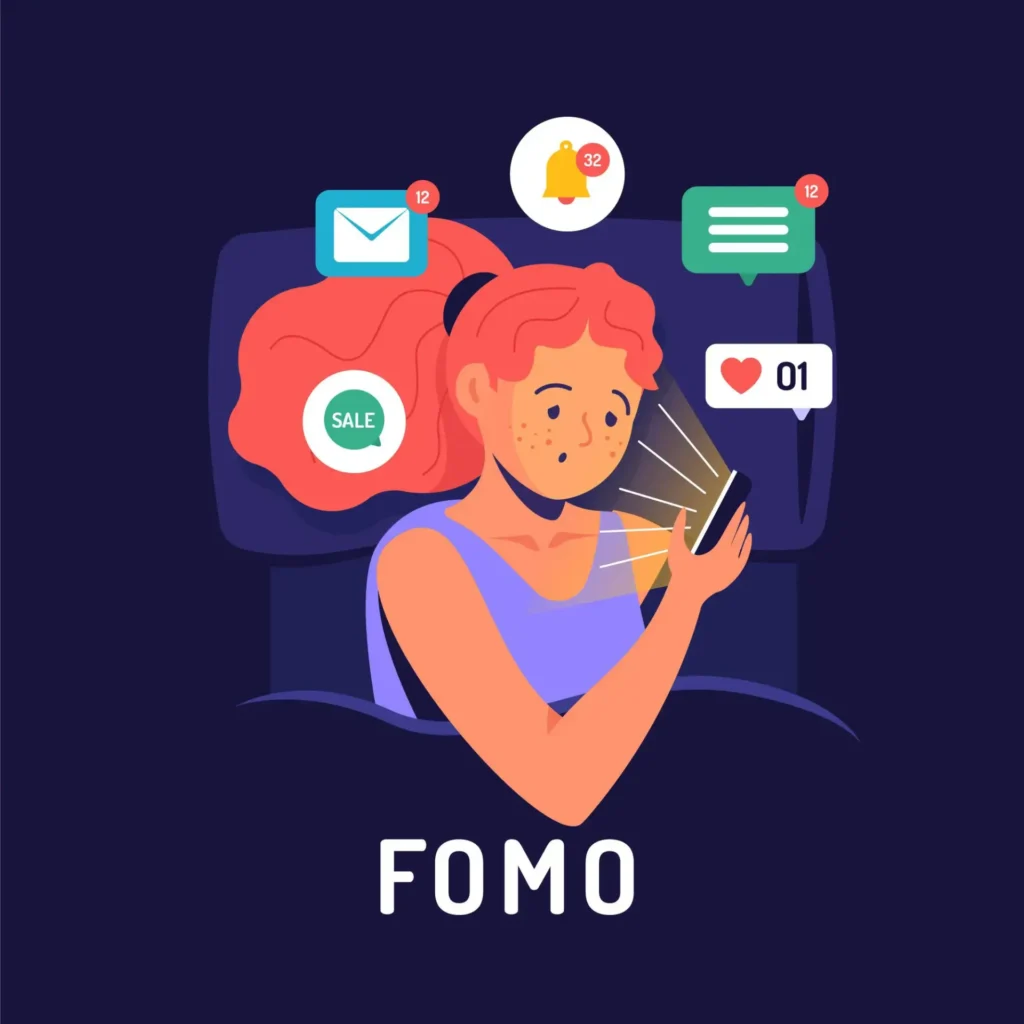
For decades, the standard playbook for casino affiliate marketing has relied heavily on urgency, scarcity, and the ultimate psychological lever: the Fear of Missing Out (FOMO). These ads, dripping with high-stakes imagery and time-sensitive offers, aim to trigger an immediate, emotional click. Yet, in today’s hyper-saturated digital landscape, this aggressive approach is reaching its breaking point. Users are tired of being pressured.
The most successful affiliates are making a profound pivot. They’re realizing that laughter reduces cognitive barriers to trust and action. By shifting from fear-based marketing to joy-based, playful marketing, affiliates can bypass the user’s “inner critic,” build genuine rapport, and ultimately, secure higher-quality, longer-retained players. This article will explore the psychological mechanics behind this shift and provide actionable strategies to implement “psychological playfulness.”
The Trust Barrier: Why High-Pressure Ads Backfire
The pervasive use of hyperbole and aggressive claims in the iGaming sector has created widespread Ad Nausea. When a potential player is bombarded with overly aggressive, scarcity-driven messages (e.g., “LAST CHANCE TO WIN BIG!”), their innate defense mechanism—skepticism—is triggered. This reaction acts as a powerful affiliate conversion blocker.
High-pressure tactics often generate clicks from individuals who are reacting impulsively. While this might temporarily lower your immediate Cost Per Acquisition (CPA), these players tend to have very low player lifetime value (LTV)because the relationship is built on stress, not enjoyment. To truly master user trust online casino efforts, affiliates must establish their brand as a reliable, entertaining guide, not a demanding salesperson.

The Playful Pivot: Laughter as a Cognitive Hook
Psychologically, humor is a potent tool because it serves as a distraction for the ‘inner critic’. When a person laughs or smiles at an ad, they are in a positive, open, and relaxed mental state. The guard is lowered, making the underlying message (the affiliate offer) more memorable and persuasive.
We can categorize this strategy into three types of ‘Silly’ Play that affiliates can leverage in their campaigns: Visual, Contextual, and Self-Deprecating.
1. Visual Silly: Animated, Cartoonish Ad Concepts
Forget the slick, hyper-realistic, high-production banners that mimic a Wall Street brokerage. Visual Silly embraces low-production, high-fun imagery. Think animated casino ads—short GIFs, cartoonish illustrations, or simple, brightly colored graphics that look more like an entertaining meme than a polished corporate ad.
This low-fidelity (or low-fi marketing) aesthetic works because it signals authenticity and reduces perceived risk. If the ad doesn’t look like it cost millions, the player subconsciously assumes the overall experience will be lighter and less intimidating. This visual approach immediately sets a playful tone that encourages curiosity and click-throughs.
2. Contextual Playfulness: Ad Placement and Timing
Contextual Playfulness involves using irony and surprise by placing your playful ad where it’s least expected—or placing a playful ad about a serious topic. This strategy taps into the Surprise Factor: Making the User Smile Mid-Scroll.
- Placement Strategy: Run a witty ad for a jackpot slot not just on a gaming news site, but maybe within a blog post about “The Top 5 Ways to Save Money.” The irony of inserting a gaming ad into a financial piece, if done with gentle humor, creates a memorable moment and a high-curiosity click. This requires sophisticated contextual advertising iGaming targeting.
- Witty Headlines: Replace direct bonus claims with quick, witty phrases that lead to higher Click-Through Rates (CTR) based on curiosity. Instead of “Get 100 Free Spins Now,” try: “We promise you won’t retire next week, but these spins are fun.”
This surprise factor breaks the routine of online browsing, causing the ad to stand out and the player to engage with your affiliate offer in a moment of positive mental disruption. This is also an excellent opportunity for an internal link opportunity to a detailed review, such as a ‘Top 5 New Slot Games’ review.
3. Self-Deprecating Silly: Embracing Imperfection
This is the most advanced form of playful advertising and requires the most confidence. Self-Deprecating Silly involves running ads that gently poke fun at the industry itself, or even the general absurdity of chasing a massive jackpot. This strategy creates a profound bond of building affiliate credibility.
- Honesty and Shared Understanding: When an affiliate admits, through humor, that gambling is mostly for entertainment and not a reliable income source, it signals honesty and a shared understanding with the player.
- The Slogan Example: Instead of “Your luck starts now!”, try: “Statistically, you’re not going to win the jackpot. But statistically, someone has to click this link.”
This radical transparency, filtered through humor, makes your affiliate brand feel incredibly human and trustworthy. When the guard is entirely down, the player is more receptive to the final step: the clear Call-to-Action (CTA).

Translating Play into a Clear CTA
Crucially, every playful ad must end with a clean, unambiguous Call-to-Action. The humor is the hook, but the conversion still needs a path.
The playful messaging justifies the click, but the CTA must be crystal clear. Use phrases that transition smoothly from the fun tone to the action: “Enough giggling, click here to see the actual spins waiting for you,” or “Ready to turn that chuckle into a chance? 👉 Get the offer.” The CTA should be the one element that remains direct and easy to follow.
Final Thought: Making Your Affiliate Brand the ‘Fun’ Brand
The psychology of gambling ads is shifting from manipulating fear to cultivating joy. By adopting a playful strategy, you are not just running better campaigns; you are building a differential brand identity. Your affiliate site becomes the “Fun Brand”—the source players trust because it doesn’t take itself, or the promise of instant wealth, too seriously. This differentiation leads to significantly higher direct traffic and repeat visits, creating a far more stable and profitable affiliate model than any FOMO-driven campaign ever could.
The future of ethical iGaming marketing is light, honest, and entertaining. Make your players smile, and they will keep coming back.


 Nederlands
  English
  Deutsch
  Français
  Español
  Italiano
  Suomi
Suomi  Українська
  Русский
Geef een reactie